
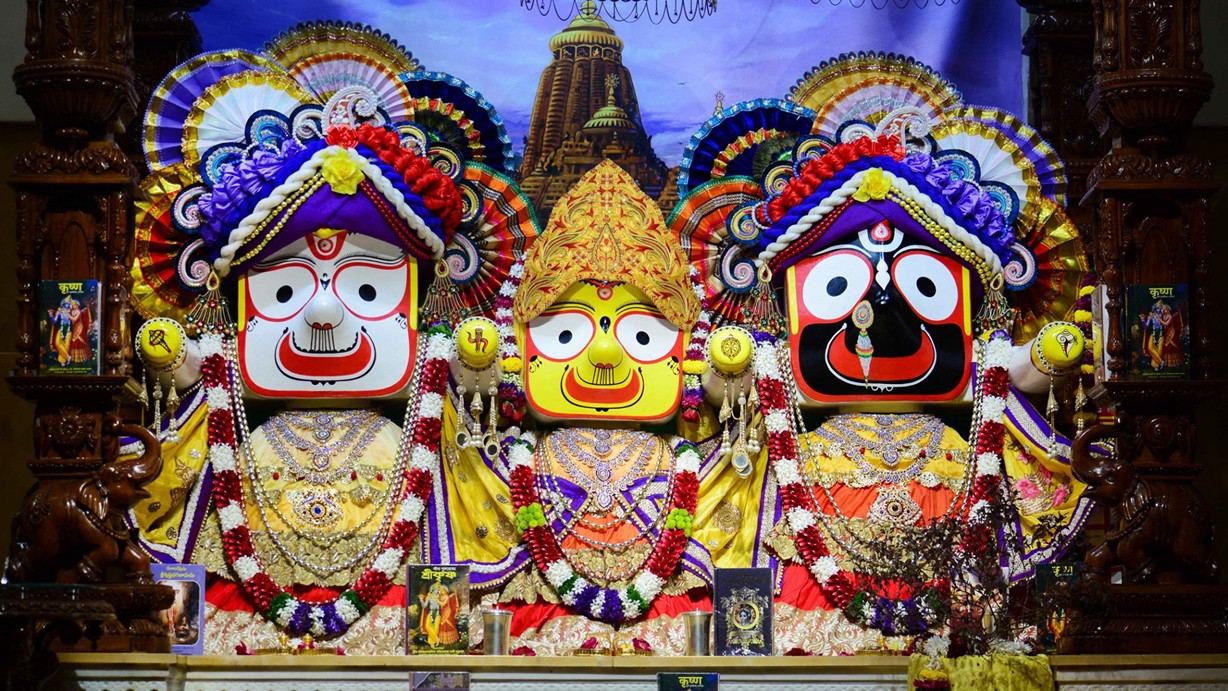
Deepawali: Illuminating the Path to Spiritual Significance
“Diwali is a festival of the heart. Our hearts, like the dark night, have lived in darkness for so long. With the lamps of gratitude and the flames of love, we offer them to welcome our beloved Lord back home in our hearts.”
- His Holiness Radhanath Swami Tweet
Introduction
Deepawali, also known as the festival of lamps, resonates with the ancient tale of Lord Rama’s return to Ayodhya. Beyond its historical roots, this celebration beckons us to introspect and foster positive change within ourselves and society. As we prepare to light our homes and hearts, let us explore the deeper dimensions of this luminous festival.
Social and Spiritual Dimensions:
In the rich tapestry of Bharat’s civilization, festivals blend social and spiritual aspects seamlessly. They provide a pause from our hectic lives, offering moments to invest in relationships with family, relatives, and friends. Srila Rupa Gosvami, a revered spiritual teacher, outlines six expressions of love in his book Nectar of Instruction (Mantra 6):
- Offering gifts in charity
- Accepting charitable gifts
- Revealing one’s mind in confidence
- Inquiring confidentially
- Accepting prasāda (sanctified food)
- Offering prasāda
These six manifestations of love connect devotees, fostering social bonds and emotional well-being. Our festivals significantly influence these aspects of our lives.
Religious vs. Spiritual:
While both religious and spiritual practices involve rules and regulations, they diverge in focus. Religious events often emphasize rituals, sometimes missing the festival’s intended purpose. According to the Srimad Bhagvatam (S.B. 1.2.13), the ultimate goal of any activity is to please the Supreme Lord (“Samsiddhir Hari Tosanam”).
Transforming Diwali - From Rituals to Spirituality:
How can we transform Deepawali from a mere religious event into a deeply spiritual experience? The key lies in practical actions that shift our consciousness:
- From “I” to “We”: Let us move beyond individualistic pursuits and engage in collective acts of kindness. Volunteer together, serve the community, and share the joy of giving.
- From Selfishness to Selflessness: Diwali reminds us to transcend selfish desires. Reach out to those in need, offer compassion, and practice selfless service.
- From Arrogance to Humility: Light dispels darkness, but humility dispels ego. Let us bow before the divine and recognize our interconnectedness.
- From Hate to Love: Diwali celebrates the triumph of good over evil. Let love be our guiding light, healing wounds and bridging divides.
- From Greed to Generosity: As we exchange gifts, remember that true wealth lies in generosity. Share not only material gifts but also kindness and understanding.
two practical actions:
On this auspicious occasion, let's delve into two practical actions that can infuse our lives with the grace of Lord Rama:
1. Lighting a Lamp:
The traditional act of lighting ghee lamps during Diwali holds both external and internal significance. As we kindle the diyas, let us explore the deeper layers of this ritual:
- External Illumination: The ghee lamp dispels physical darkness, symbolizing the victory of light over shadows. It decorates our homes, streets, and temples, creating an enchanting ambiance. But there’s more.
- Internal Illumination: Bhagavad Gita (10.11) reveals a profound truth: “To show them special mercy, I, dwelling in their hearts, destroy with the shining lamp of knowledge the darkness born of ignorance.” As you light a lamp, illuminate your consciousness with the wisdom flowing from the Bhagavad Gita. Let it dispel the ignorance that veils our true nature.
2. Cleaning:
Deepawali inspires a thorough cleansing of our physical spaces—a gesture of respect for the divine guest, Lord Rama. But beyond the dusting and decluttering lies a deeper metaphor:
- External Cleanliness: When we scrub our homes, we also cleanse our minds. A tidy environment fosters clarity and positivity. It prepares the stage for deeper spiritual experiences.
- Internal Purity: Srila Prabhupada, in his commentary on Bhagavad Gita (13.8-12p), emphasizes the importance of cleanliness for spiritual growth. Just as we sweep away physical dirt, chanting the Holy Names—the Hare Krishna Maha Mantra—is like a spiritual broom. It removes the accumulated dust of past karma, doubts, and misconceptions.
Resolutions for a Spiritually Enriched Diwali:
As Deepawali marks the beginning of a new year in Vedic traditions, let us not merely light lamps and clean our homes. Let us ignite the lamp of knowledge within, sweep away the dust of ignorance, and create a sacred space for our souls to thrive. To embark on this spiritual journey, consider making two resolutions:
- Study Wisdom Books:
- Commit to spending at least 30 minutes daily studying sacred texts. Dive into the Bhagavad Gita, Ramayana, or any spiritual literature that resonates with your heart.
- Reflect on the verses, contemplate their meanings, and apply their wisdom to your life. Let the ancient teachings guide your modern journey.
- Chant the Hare Krishna Maha Mantra:
- Dedicate another 30 minutes daily to chanting the Hare Krishna Maha Mantra. Allow its vibrations to purify your mind, awaken your spiritual consciousness, and connect you with the divine.
- If you’re already chanting, consider increasing your rounds or chanting during the early morning hours—the sacred Brahma muhurta.
In Conclusion:
Let's pray to Lord Rama for inspiration and guidance. May His life of dedication, love, and sacrifice become a beacon for our consciousness, fostering compassion, service, and love towards all. Together, let us strive to establish a society centered around His teachings—a true Rama Rajya. Feel free to share your resolutions or thoughts in the comments, fostering a sense of community and shared inspiration.
